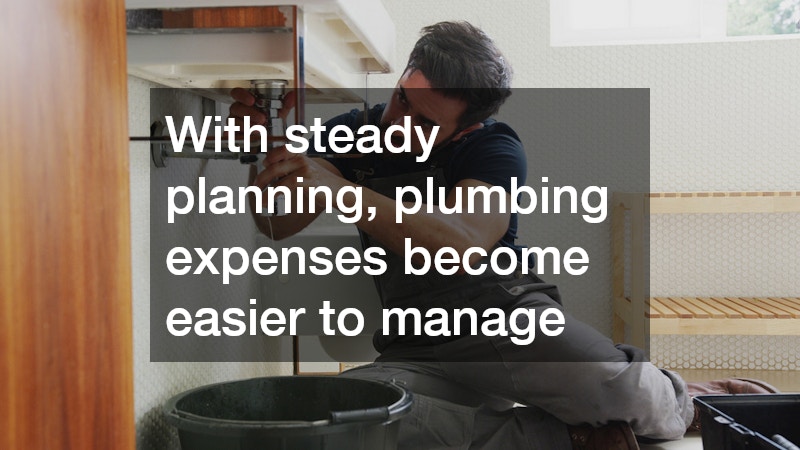

Plumbing costs can be difficult to predict because the visible symptom is not always the full problem. A slow drain, noisy water heater, damp cabinet, or recurring backup may come from a simple part, but it may also point to age, corrosion, pipe damage, or installation issues. A better understanding of cost drivers helps homeowners plan instead of reacting to every plumbing concern as a surprise.
The most useful way to think about plumbing costs is to separate urgent fixes, performance upgrades, and long-term system protection. Some repairs prevent water damage right away, while others improve convenience, efficiency, or future reliability. Budgeting also becomes easier when you understand how labor, access, materials, permits, diagnostics, and property conditions can affect the final price. A good plan keeps essential work from competing with less urgent upgrades.
Start With The Reason For The Work
The first cost question is why the work is needed. A repair caused by active water damage usually deserves faster attention than a convenience upgrade. A local plumbing company can help identify whether the issue is isolated, connected to a broader system, or likely to create damage if it is delayed. That distinction matters because timing can change both the scope and the price.
Urgency also affects scheduling and labor expectations. A planned appointment during regular hours is usually easier to manage than a same-day response to a leak, sewer backup, or failed water heater. Homeowners should avoid judging price by the part alone, because the job may involve diagnosis, access, cleanup, testing, and follow-up checks. The cost reflects the whole repair process, not just the visible component.
Understand Diagnostic And Access Costs
Many plumbing jobs begin with finding the real source of the problem. Water can travel behind walls, under floors, through ceilings, and along pipe runs before it becomes visible. A plumbing service may need to inspect fixtures, valves, drains, pressure behavior, moisture patterns, or pipe routes before recommending the right repair. Diagnostic time can prevent the wrong fix from being approved.
Access often becomes a major cost factor. A pipe under an open vanity is easier to reach than one behind tile, concrete, cabinetry, finished drywall, or landscaping. Even a small part can become expensive when reaching it requires careful removal and restoration planning. Homeowners should ask whether the estimate includes access work, testing after repair, and any surface restoration needed afterward.
Price Smaller Fixture Fixes Realistically
Small fixture problems are often the first plumbing issues homeowners notice. A dripping handle, loose connection, running toilet, or slow bathroom sink can seem minor, but repeated water waste or hidden leakage can become costly over time. A leaky faucet may require a cartridge, washer, valve seat, supply connection, or full fixture replacement depending on the age and condition of the parts. The repair cost depends on what has failed.
Homeowners sometimes postpone smaller fixture work because it does not feel urgent. That choice can make sense for very minor issues, but it should not become a habit when moisture is reaching cabinets, floors, or walls. Costs stay more manageable when parts are available and damage has not spread. A quick repair can protect nearby finishes from a much larger bill.
Factor In Parts Quality And Availability
Parts are not always interchangeable, even when they look similar. Brand, size, finish, material, age, and compatibility can all affect what will work in an existing fixture or piping system. Local plumbing parts may be useful when a repair needs a faster match, especially if the home has common fixtures or standard components. Quick access to the right part can reduce delays.
Material choices can also influence the long-term value of the repair. A lower-cost component may be acceptable for a simple, low-use fixture, while a higher-quality part may make more sense for a main valve, water heater connection, or frequently used bathroom. The better question is not always which part is cheapest. It is whether the part fits the system, the expected use, and the homeowner’s future plans.
Compare Standard And Upgraded Water Heaters
Water heater costs vary because the job can involve capacity, venting, fuel type, electrical needs, gas lines, drain pans, shutoff valves, expansion tanks, and code requirements. Water heater installation should be priced as a complete project rather than just the cost of the unit. A proper estimate should explain what is included, what may need updating, and what conditions could change the final scope.
Traditional tank systems may have a lower upfront cost, while tankless systems can require more planning around venting, gas supply, electrical capacity, and maintenance needs. Homeowners looking at local tankless water heaters should compare installation requirements, household demand, available space, and expected usage patterns. A system that works well for one household may not be the most practical fit for another.
Think Beyond The Sticker Price
A major plumbing upgrade should be compared across ownership cost, not only purchase price. Equipment life, maintenance, energy use, repairability, warranty terms, and installation complexity all affect long-term value. Water heater installation can cost more when older connections, unsafe venting, or outdated shutoff components need correction. Those additional items may be frustrating, but they can be necessary for a safer and more reliable setup.
Annual planning can also make upgrades easier to afford. Instead of waiting for a sudden failure, homeowners can track the age of major plumbing components and set aside funds before replacement becomes urgent. This approach is especially useful for older homes, rental properties, and households that cannot comfortably handle surprise expenses. Planned spending usually creates better choices than emergency spending.
Know When Drain Cleaning Is Not Enough
Clogged drains can range from simple buildup to deeper line problems. A single slow sink may need a basic clearing, but repeated backups across multiple fixtures can indicate a more serious concern. Hydro jetting may be considered when heavy buildup, grease, sludge, or recurring blockage needs a more thorough cleaning approach. The cost depends on access, severity, pipe condition, and whether camera inspection is part of the work.
Drain issues should be evaluated carefully before repeated temporary fixes become the routine. If a line keeps clogging after basic service, the underlying cause may include pipe slope, root intrusion, broken sections, corrosion, or a partial collapse. Drain repairs can become necessary when cleaning does not solve the structural or alignment problem. Paying for repeated clearing without diagnosis can delay the repair that actually restores function.
Prepare For Larger Underground Or Main Line Work
Main line problems can be among the more significant plumbing expenses because access and property disruption may be involved. Sewer line repair services may include inspection, locating the damaged section, excavation or trenchless options, pipe replacement, and testing. The final cost depends on depth, soil conditions, pipe material, nearby structures, and the length of the affected area. A detailed estimate helps homeowners understand why the scope is larger than a typical indoor repair.
Not every sewer concern leads to a major project, but warning signs should be taken seriously. Multiple slow drains, gurgling fixtures, sewage odors, recurring backups, or unusually wet areas in the yard may point to a main line issue. Acting early can create more repair options before damage grows. Waiting until the line fails completely can limit flexibility and increase disruption.
Use Preventive Tools At The Right Time
Preventive maintenance can reduce the chance of sudden plumbing problems, but it should match the condition of the system. Hydro jetting can be useful in the right setting, but older or fragile pipes may need inspection before aggressive cleaning is considered. The goal is to solve the blockage without creating new damage. A responsible recommendation should account for pipe age, material, and previous repair history.
Maintenance also includes simple habits that reduce strain on drains and fixtures. Keeping grease, wipes, hair, and debris out of drains can lower the chance of repeat clogs. Regularly checking under sinks, around toilets, near water heaters, and behind appliances can help spot early moisture. Small observations can prevent expensive discoveries later.
Evaluate Supply Lines And Fixtures Together
Supply-side plumbing problems can create damage quickly because pressurized water keeps moving until it is shut off. A loose connector, aging valve, worn seal, or hidden drip near a fixture can spread into cabinets and flooring. When a leaky faucet appears with stiff shutoff valves or corroded supply lines, it may be wise to evaluate nearby components at the same time. Bundling related small repairs can be more efficient than returning later.
Fixture replacement can also change the cost picture. New faucets, toilets, disposals, and appliances may require updated connections or adjustments to fit properly. Choosing the right materials early can reduce surprises during installation. Homeowners should ask which existing parts can stay and which should be replaced to support the new fixture.
Choose Suppliers And Materials Carefully
Material sourcing can influence both schedule and outcome. Plumbing supply services may help homeowners, landlords, or contractors locate compatible fixtures, fittings, valves, and repair materials. Availability matters when a project is time-sensitive or when an older home has parts that are harder to match. The right supply source can reduce downtime and prevent improvised substitutions.
Cost should be weighed against compatibility and durability. A part that almost fits can create leaks, poor performance, or repeat labor costs. Homeowners should be cautious about mixing unfamiliar components without confirming specifications. Reliable materials protect the repair investment because labor often costs more than the part itself.
Review Labor, Permits, And Code Requirements
Labor costs reflect skill, time, risk, access, and accountability. Plumbing work can affect potable water, wastewater, gas connections, fixtures, walls, flooring, and appliances, so proper installation matters. A local plumbing company may also need to account for permitting or inspection requirements depending on the type of project and local rules. Larger upgrades often involve more documentation than a simple fixture repair.
Code-related work can feel like an added cost when the homeowner only wanted a straightforward replacement. However, outdated venting, missing shutoffs, improper materials, or unsafe connections can affect safety and long-term reliability. Bringing certain components up to standard during a larger repair may prevent future complications. A clear estimate should separate required work from optional improvements.
Compare Estimates With The Same Scope
Comparing quotes is useful only when each estimate covers the same work. One plumber may include testing, disposal, minor materials, and cleanup, while another may list only the main repair. A plumbing service estimate should clearly describe diagnosis, parts, labor, access work, and any exclusions. Without that detail, the lowest number may not represent the best value.
Homeowners should also ask how unexpected conditions will be handled. Underground repairs, wall access, older valves, and hidden corrosion can change the project once work begins. A fair process explains what is known, what is unknown, and how changes will be approved. Better communication helps prevent misunderstandings during expensive repairs.
Build A Priority-Based Plumbing Budget
A plumbing budget should begin with risks that can cause active damage or make essential systems unusable. Main line backups, failed water heaters, major leaks, and unsafe connections usually deserve priority over cosmetic fixture upgrades. Sewer line repair services may need to move ahead of other projects when backups or pipe damage threaten the home’s sanitation and function. The budget should reflect the seriousness of the problem.
The next tier can focus on reliability and efficiency. Local tankless water heaters, upgraded valves, improved fixtures, and planned replacements may fit here when the home is stable but aging systems need attention. These improvements should be timed around household demand, available budget, and whether related work can be grouped efficiently. A planned upgrade can still be practical even when it is not an emergency.
Smaller reserves should be set aside for routine parts and minor repairs. Local plumbing parts, fixture cartridges, supply connections, drain components, and shutoff valves may not be glamorous, but they keep everyday plumbing working. A modest maintenance budget can help homeowners avoid postponing small problems until they become disruptive. Consistency is often more useful than waiting for a major failure.
Plan For Ownership Instead Of One-Time Fixes
Plumbing costs make more sense when viewed across the life of the home. Every fixture, pipe, valve, drain, and appliance has a service life, and each one affects the others. Drain repairs, fixture updates, water heater replacements, and line maintenance should be tracked so homeowners can see what has already been done. Good records make future decisions easier and help prevent repeated spending on the same issue.
It is also helpful to keep warranties, invoices, inspection notes, and product details in one place. When a problem returns, those records show what was replaced, when it was completed, and whether related parts were left unchanged. Plumbing supply services can support that recordkeeping when materials, model details, or replacement components need to be documented clearly. Better documentation can speed up troubleshooting and support more accurate estimates.
The cost of a significant plumbing upgrade or fix is rarely based on one simple number. It reflects urgency, access, parts, labor, diagnostics, code requirements, and the condition of the surrounding system. Homeowners who understand those factors can ask better questions, compare estimates more fairly, and prioritize the work that protects the home first. With steady planning, plumbing expenses become easier to manage and less likely to turn into rushed emergencies.